Digital Fields Rise

Finnegan Flynn
| 06-07-2026
 · Information Team
Hello, Lykkers! In modern agriculture, value is increasingly growing through connections. Sensors track crop conditions, drones map field performance, and digital platforms link producers more directly with buyers.
Together, these tools form digital agriculture networks—connected systems that help farms work smarter, reduce waste, and create new forms of economic value.
What Are Digital Agriculture Networks?
Digital agriculture networks are ecosystems where technologies, data systems, and market participants work together to improve agricultural operations. These networks combine tools such as sensors, satellites, artificial intelligence, cloud platforms, and connected machinery to exchange information continuously. Instead of making decisions based only on experience or seasonal patterns, farms can now use real-time data to guide production, resource use, and market planning.
The value created is not limited to higher yields. Digital networks influence every stage of the agricultural chain—from planting and logistics to pricing and consumer delivery.
Data as a New Agricultural Asset
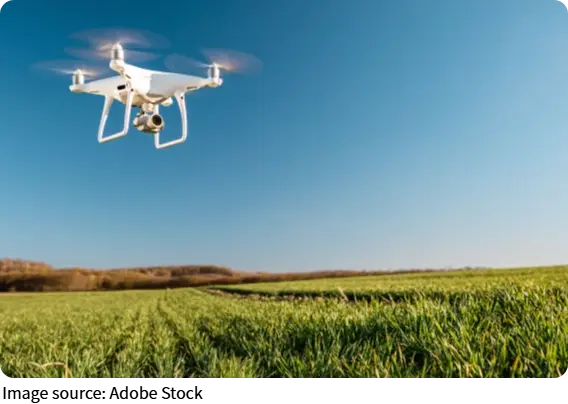
One of the biggest shifts in modern agriculture is that data itself has become an economic resource. Field sensors can track soil moisture, nutrient levels, and weather conditions. Satellite systems monitor crop growth and identify stress areas before visible damage appears. This information allows producers to apply water, fertilizer, and resources more precisely. The result is lower operational costs and improved productivity. For example, precision farming systems can reduce unnecessary resource use while maintaining output levels. This efficiency directly creates financial value by improving margins and lowering waste.
Data also supports forecasting. Farmers can estimate harvest volumes more accurately and align production with expected demand, reducing market mismatches.
Supply Chains Become Smarter
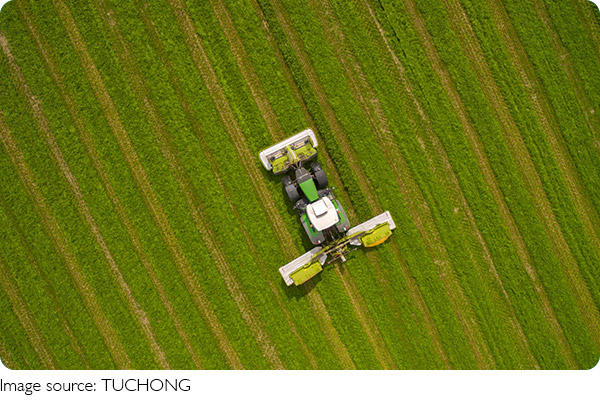
Traditional agricultural supply chains often face delays, information gaps, and inefficiencies. Digital networks help close these gaps through real-time visibility.
Tracking systems monitor crop movement from production to distribution points. Logistics platforms optimize transport routes and inventory levels. Digital marketplaces improve price discovery by connecting producers and buyers more efficiently.
This transparency creates value in several ways:
- Lower storage and transportation costs
- Reduced product loss
- Faster market access
- Better pricing decisions
A more connected supply chain means fewer disruptions and stronger financial performance across the network.
Technology Expands Revenue Opportunities
Digital agriculture is not only improving efficiency—it is creating entirely new revenue streams.
Agricultural data services, predictive analytics platforms, and smart equipment solutions have become growing business segments. Farms increasingly generate value not only from crops but also from information and digital services.
Controlled environment farming, automated irrigation systems, and subscription-based agricultural software are examples of new economic models emerging from digital ecosystems.
These developments attract investment into agri-tech sectors, increasing capital flow and innovation across agriculture markets.
What Experts Say
Marie-Agnes Jouanjean, author of the OECD policy paper Digital Opportunities for Trade in the Agriculture and Food Sectors, directly connects digital transformation with value creation across agriculture and food networks. The report states that “digital technologies can influence who participates in the value chain, where value added is created, and how value is distributed between actors in the chain.”
That view fits digital agriculture networks especially well, because sensors, satellite data, AI tools, logistics platforms, and digital marketplaces do not create value only inside the farm. They also shape how information moves, how producers reach buyers, how supply chains respond, and how economic value is shared across the wider agricultural system.
Challenges in Building Digital Value
Despite the opportunities, digital agriculture networks face important challenges.
Technology adoption costs remain high for some producers. Data ownership and cybersecurity issues are becoming more important as information volumes grow. Infrastructure gaps, especially in connectivity and digital access, can also limit participation.
Interoperability is another issue. Different technologies and platforms must work together smoothly to maximize network value.
Without integration, data remains fragmented and efficiency gains become limited.
The Future of Agricultural Value Creation
Digital agriculture networks are transforming farming from a production-centered activity into an information-driven economic system.
Value is increasingly created through precision, connectivity, and real-time decision-making. Farms become data ecosystems, supply chains become intelligent networks, and markets become more transparent.
For Lykkers, the future of agriculture may not be defined only by what grows in the field, but by how information moves through the system. In this new environment, digital connections are becoming just as valuable as the harvest itself.