Hybrid Cars: Balancing Power

Finnegan Flynn
| 09-07-2026
 · Auto Team
Hybrid cars offer a unique solution to modern driving challenges. They combine the best of both worlds: the efficiency of electric power and the reliability of gasoline.
The key to a hybrid vehicle is its dual power system: an internal combustion engine (ICE) and an electric motor.
These two systems work in tandem, switching between or combining their power to provide the best fuel economy and driving experience.
The electric motor typically handles low-speed driving, while the gasoline engine takes over at higher speeds or when more power is needed. This dynamic powertrain allows hybrid cars to maximize fuel efficiency and reduce emissions, offering a smooth, efficient driving experience.
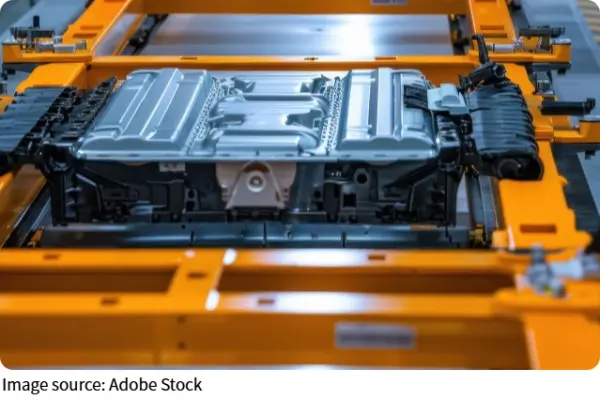
How Hybrid Systems Achieve Balance
At the heart of a hybrid vehicle's success is its ability to balance the contributions of both the electric motor and the internal combustion engine. But how does it do this? The hybrid system's power management strategy is key.
Seamless Switching: The car's onboard computer system constantly monitors driving conditions and decides which power source to use. For example, at city speeds, the electric motor is often sufficient, providing a smooth and quiet ride while saving fuel. On highways or during heavy acceleration, the gasoline engine kicks in for added power.
Regenerative Braking: Another critical element of hybrid systems is regenerative braking. When you brake or coast, the electric motor acts as a generator, converting kinetic energy into electrical energy and storing it in the battery. This energy is then available to power the electric motor, further enhancing fuel efficiency.
Energy Flow Control: A well-designed energy management system ensures that both the electric motor and the gasoline engine are operating optimally. It makes sure that when the electric motor is in use, it doesn't drain the battery too quickly, and that the gasoline engine doesn't run unnecessarily when the electric motor can handle the load.
The Benefits of Hybrid Powertrains
Hybrid powertrains provide several key benefits that make them a desirable option for many drivers:
Improved Fuel Economy: One of the biggest advantages of hybrid systems is their ability to reduce fuel consumption. By using the electric motor during low-speed driving and only relying on the gasoline engine when needed, hybrids achieve higher miles per gallon (MPG) than traditional vehicles.
Lower Emissions: Hybrids also help reduce harmful emissions. The electric motor produces zero emissions, and when the gasoline engine does operate, it uses less fuel, leading to fewer pollutants being emitted into the atmosphere.
Cost Savings: Over time, hybrids can save money at the pump. Though they may have a higher upfront cost, their fuel savings can make them more economical in the long run. In addition, hybrid owners may benefit from tax incentives and rebates.
Challenges in Balancing the Two Power Sources
Despite the advantages, there are challenges to balancing the two power sources in a hybrid system. These challenges typically involve optimizing the use of the electric motor and the gasoline engine for maximum efficiency.
Battery Limitations: The electric motor relies on the car's battery, which can be limited in capacity. While hybrid batteries are improving, they still don't provide the range or power of fully electric vehicles. This limits how much the electric motor can contribute to the overall driving experience, especially for long trips or high-speed driving.
Complexity and Cost: Hybrid systems are more complex than traditional ICE vehicles, which can result in higher repair and maintenance costs. For example, the battery system may need to be replaced after several years, which can be expensive.
Weight and Space: Adding a second powertrain, along with the necessary batteries, adds weight and takes up space. This can impact the vehicle's overall performance and cargo capacity. Manufacturers work to minimize these impacts, but weight and size are always considerations when designing hybrid vehicles.
Examples of Hybrid Cars on the Market
Several hybrid models on the market today demonstrate how automakers are perfecting the balance between electric and gasoline power:
Toyota Prius: Perhaps the most well-known hybrid, the Prius offers excellent fuel economy by using its electric motor for low-speed driving and the gasoline engine for high-speed cruising. The Prius also uses regenerative braking to charge the battery, which helps extend its electric range.
Honda Insight: Another popular hybrid, the Insight offers a seamless driving experience by switching smoothly between the electric motor and gasoline engine. It's known for its high fuel efficiency and low emissions.
Ford Escape Hybrid: A hybrid SUV that offers the best of both worlds: a gasoline engine for longer trips and an electric motor for city driving. It also features regenerative braking and provides a comfortable, spacious ride with excellent fuel efficiency.
The Future of Hybrid Powertrains
The future of hybrid powertrains looks promising. As battery technology continues to improve, hybrid vehicles will become even more efficient and affordable. Some automakers are already working on plug-in hybrid models that allow drivers to charge the battery and drive solely on electric power for short distances, switching to gasoline power for longer trips.
With the growing demand for sustainable transportation options, hybrid vehicles will continue to play a critical role in the transition to a cleaner, more efficient automotive landscape. They provide an important bridge between traditional gasoline-powered vehicles and fully electric cars, offering the best of both worlds for consumers.
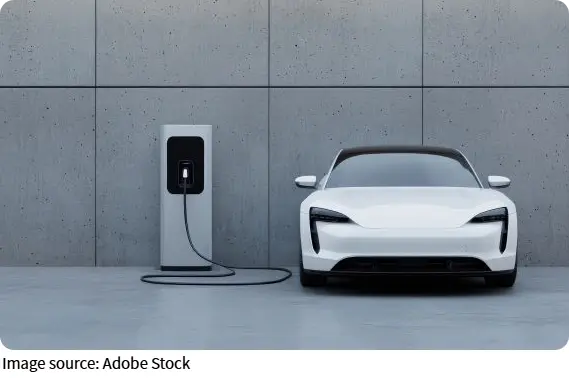
Ultimately, hybrid cars represent a smart solution for drivers looking to balance power, efficiency, and environmental impact. As technology advances, we can expect even more sophisticated and balanced systems that make hybrid vehicles a compelling choice for a wide range of consumers. Whether you're after fuel savings, reduced emissions, or just a smooth driving experience, hybrid powertrains offer something for everyone.