Ping Pong Basics Guide

Ravish Kumar
| 23-07-2026
 · Sport Team
Ping pong, also known as table tennis, is one of the world's most enjoyable racket sports. It combines speed, precision, quick thinking, and coordination into a game that is easy to learn yet rewarding to master.
Whether you're playing casually with friends or working to improve your skills, understanding the fundamentals will help you play with greater confidence and enjoy every rally.
With regular practice and the right techniques, players of all experience levels can continue to improve while enjoying the fast-paced nature of the game.
Essential Equipment
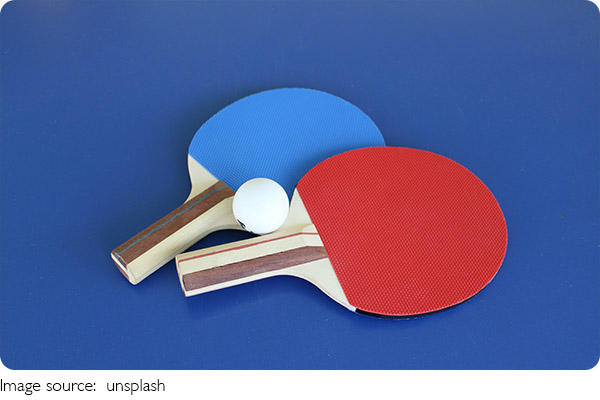
Before playing, you'll need the right equipment. A standard setup includes a table tennis table divided by a net, two paddles, and a lightweight plastic ball. Modern competition balls are labeled 40+ and have an official diameter of 40–40.6 mm. Choosing a comfortable paddle and using a quality ball helps create a smoother playing experience, whether you're practicing indoors or outdoors. Wearing comfortable athletic shoes with good grip can also improve balance and movement during play.
Understanding the Basic Rules
A ping pong match can be played as singles, with one player on each side, or doubles, with two players per team. Each rally begins with a serve, and players take turns returning the ball after it bounces once on their side of the table. A point is scored whenever an opponent fails to make a legal return, allows the ball to bounce twice, or hits the ball off the table.
During a serve, the ball must be tossed upward before being struck. In singles play, the serve may land anywhere on the opponent's side after first bouncing on the server's side. In doubles, however, the serve must travel diagonally from the server's right side to the receiver's right side.
How Scoring Works
Games are typically played to 11 points, with players alternating serves every two points. If both players reach 10–10, the game continues until one player gains a two-point advantage. Most competitive matches are played as a best-of-seven-game format, although some competitions use different match formats depending on the event and level of play.
Basic Playing Techniques
Developing solid technique is the key to becoming a better player. Beginners should first focus on making consistent returns before attempting advanced shots.
Grip: Hold the paddle comfortably with a relaxed grip that allows quick wrist movement while maintaining control.
Ready Position: Stand with your knees slightly bent and your weight balanced on the balls of your feet so you can react quickly in any direction.
Forehand and Backhand: Learn both strokes so you can confidently return shots from either side of your body.
Serving: A controlled and accurate serve can create an early advantage by making it more difficult for your opponent to attack.
Footwork: Good movement allows you to reach the ball efficiently, maintain balance, and recover quickly for the next shot.
Simple Strategies for Better Play
Winning rallies involves more than hitting the ball hard. Smart placement and consistency often produce better results than power alone.
Aim for open areas of the table to make your opponent move. Vary your shot speed and spin to keep rallies unpredictable. Stay patient during longer exchanges and avoid rushing difficult shots. Watching your opponent's position also helps you decide where to place your next return. Focusing on accuracy before power is often one of the fastest ways for beginners to improve.
Practice Tips for Beginners
Improvement comes through regular practice. Begin by focusing on short rallies with a partner to build consistency. As your control improves, practice serving to different areas of the table and work on returning balls with different speeds and spins.
Practicing footwork drills, reaction exercises, and simple rally patterns will gradually improve your coordination, timing, and confidence. Even a few practice sessions each week can make a noticeable difference. Setting small, achievable goals for each practice session can also help you measure progress and stay motivated.
Why Ping Pong Is Worth Playing
Ping pong is suitable for players of all ages and skill levels. It encourages quick decision-making, sharpens hand-eye coordination, and develops fast reflexes in an enjoyable and engaging way. Because the equipment is relatively affordable and tables are available in many recreational facilities, it is an accessible sport that can be enjoyed both casually and competitively. Its combination of skill, strategy, and fast-paced action makes it an activity that remains enjoyable as players continue to develop their abilities.
Start Playing with Confidence
Learning how to play ping pong begins with understanding the rules, using the right equipment, and practicing fundamental techniques. As your skills develop, you'll gain better control, faster reactions, and greater confidence during every match. Whether your goal is friendly competition or long-term improvement, consistent practice and a positive attitude will help you enjoy everything this exciting sport has to offer. By building strong fundamentals and practicing regularly, you'll be well prepared to enjoy the game while continuing to improve over time.