Smart Cat Health Collars

Mukesh Kumar
| 28-07-2026
 · Information Team
Modern veterinary technology is changing how feline health is monitored and managed. While regular veterinary examinations remain essential, smart monitoring systems now provide valuable insights into a cat’s activity, behavior, feeding patterns, and overall wellness.
Wearable sensors, artificial intelligence, and connected health platforms support a more preventive approach to feline care. Since cats may show only subtle changes when experiencing health concerns, continuous monitoring can help caregivers recognize unusual patterns and provide useful information for veterinary evaluation.
Smart Wearable Technology Improves Cat Health Monitoring
Smart collars and wearable devices have developed beyond simple activity tracking. Modern systems can collect information about movement patterns, resting periods, activity levels, and daily behavioral changes.
“Cats tend to hide their symptoms, which is probably due to survival instinct.” — Dr. Stacy Eckman.
This explains why continuous observation is valuable in feline healthcare. Since cats may not always display obvious signs of discomfort, monitoring changes in activity, behavior, and daily routines can provide useful information for caregivers and veterinary professionals.
Sensors within wearable devices can identify changes such as reduced movement, altered activity routines, or unusual resting behaviors. These insights may help caregivers recognize possible health changes and provide valuable records during veterinary consultations.
Artificial intelligence can further support this process by analyzing long-term behavioral patterns. When a cat’s normal routine changes significantly, digital systems can highlight unusual trends for further observation and professional assessment.
Continuous monitoring is particularly valuable in feline healthcare because cats often display very subtle signs of discomfort. Tracking small changes over time provides a clearer understanding of a cat’s daily condition and overall wellness.
Intelligent Litter Systems Provide Additional Health Insights
Smart litter monitoring systems are another advancement in feline wellness technology. These systems can record litter box patterns, including frequency, weight changes, and elimination behaviors.
Changes in litter box habits may provide important health-related information. Variations in frequency, unusual patterns, or changes in elimination behavior may be associated with hydration changes, digestive concerns, urinary function changes, or stress-related factors.
By collecting consistent information over time, intelligent litter systems help caregivers identify changes earlier and provide useful records for veterinary discussions.
Digital Nutrition Monitoring Supports Preventive Care
Nutrition plays an important role in maintaining feline health. Connected feeding systems can monitor food intake, meal timing, eating speed, and feeding consistency.
Changes in appetite or eating behavior may provide early indications of possible health concerns. Digital feeding records allow veterinary professionals to better understand nutritional habits and evaluate changes that may require additional attention.
Technology-supported feeding management can also assist with maintaining a healthy body condition. Personalized feeding schedules based on age, activity level, and individual needs may support better weight management and overall wellness.
Artificial Intelligence Supports Advanced Health Observation
Artificial intelligence is becoming an important tool in modern veterinary healthcare. Advanced systems can analyze health-related information, including movement patterns, activity levels, posture changes, and behavioral trends.
By identifying changes from normal patterns, artificial intelligence tools can support earlier health observation and provide additional information for veterinary assessment. These systems are designed to complement professional care rather than replace veterinary examinations.
Remote monitoring platforms also allow health information to be reviewed during veterinary consultations. Long-term records can provide professionals with a broader understanding of a cat’s daily habits compared with information collected during a single appointment.
Safe and Responsible Use of Cat Health Technology
The effectiveness of smart health monitoring depends on accurate sensors, comfortable designs, and appropriate use. Wearable devices should be lightweight and suitable for feline behavior to support comfort during daily activities.
Reliable data collection and responsible handling of health information are also important factors in developing effective monitoring systems. Continued improvements in sensor technology and digital health solutions are helping create safer and more practical tools for feline wellness management.
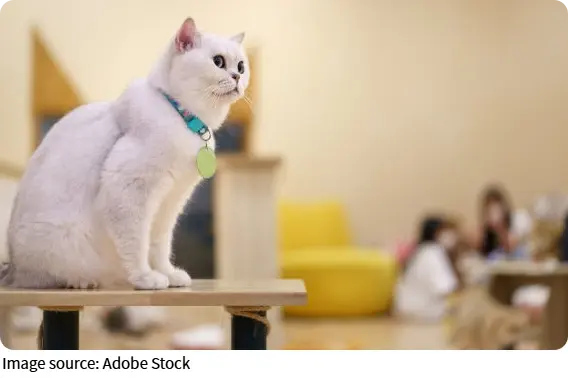
Smart health monitoring technology is transforming feline healthcare by providing continuous observation, behavioral insights, and stronger support for preventive care. Smart collars, intelligent litter systems, digital feeding tools, and artificial intelligence-based platforms allow caregivers and veterinary professionals to better understand changes in feline wellness.
Early recognition of unusual patterns can support timely veterinary evaluation and more informed health decisions. As wearable technology and veterinary innovation continue to advance, smart monitoring systems are expected to become an increasingly valuable part of future feline healthcare.