Soil Shapes Growth

Pankaj Singh
| 30-07-2026
 · Plant Team
Hi, Readers! Put your hands into garden soil, and you can feel right away that not all ground is the same.
Some soil feels loose and gritty, some feels smooth, and some turns dense and sticky when wet. These differences matter so much because soil is not just something that holds a plant upright.
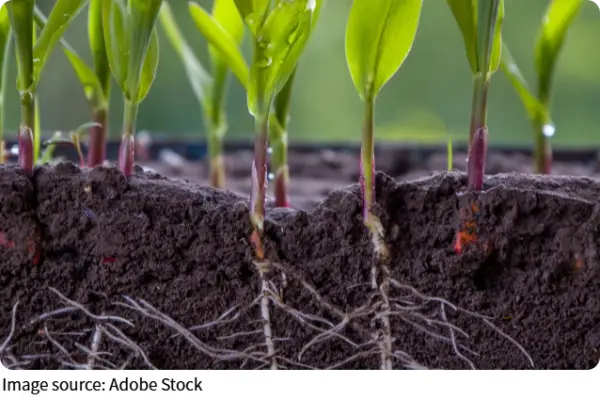
It is the place where roots reach for water, air, and nutrients, and each soil type changes that experience in a big way.
Soil is made from mineral particles and organic material, along with water and air filling the spaces between particles. The size of those particles helps define the main soil types. Sandy soil has large particles, clay soil has very small ones, and silt sits somewhere in between.
Loam is a balanced mix of sand, silt, and clay, and it is often seen as ideal for many plants because it combines drainage, nutrient storage, and enough space for roots to spread.
How sandy soil affects plants
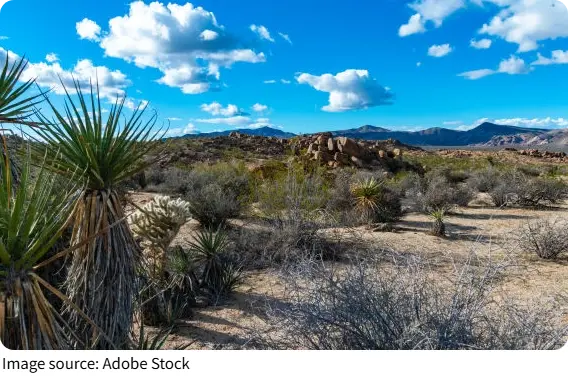
Sandy soil drains quickly because its large particles leave wide spaces for water to move through. That can be helpful for plants that dislike soggy roots, and it also allows air to move easily underground. But there is a tradeoff. Water does not stay long, and nutrients can wash away more easily.
Plants growing in sandy soil may dry out faster and may need more frequent watering and steady feeding. Roots often move through sandy soil without much resistance, yet the plant may still struggle if moisture disappears too quickly.
How clay soil affects plants
Clay soil behaves very differently. Its tiny particles pack closely together, so it holds water much longer than sandy soil. It can also store many nutrients, which sounds wonderful at first. Still, clay often has poor drainage and less air space, and that can make life harder for roots. When clay stays too wet, roots may not get enough air.
When it dries, it can become hard and compact, making root growth more difficult. Some plants adapt well to clay, but many need improved structure so roots can move and breathe more comfortably.
Silt and loam in plant growth
Silt has finer particles than sand but is not as compact as clay. It usually holds moisture better than sandy soil and can support healthy plant growth, though it may become packed down if handled poorly. Loam is often favored because it brings together the strengths of different particle sizes. It usually keeps enough moisture for plants while still draining excess water.
It also tends to hold nutrients well and provides a softer, more workable space for roots. For many gardens and farms, loam gives plants the most balanced environment.
Why structure matters too
Soil type is important, but soil structure also plays a big part in growth. Structure refers to how soil particles group together into larger units. Good structure creates pores that let water enter, excess moisture move away, and air remain available to roots.
Even a nutrient-rich soil can limit growth if it is compacted. Roots need both support and open pathways. Organic material can improve structure, helping sandy soil hold moisture better and helping clay soil become looser and easier for roots to enter.
Matching plants to soil
Different plants respond to soil in different ways. Some prefer fast drainage, while others do better in ground that stays moist longer. That is why understanding soil type can make plant care much easier. A plant placed in the wrong soil may show slow growth, weak roots, yellowing leaves, or poor flowering.
When gardeners know whether their soil is sandy, clay-rich, silty, or loamy, they can choose better-suited plants or improve the soil to create better conditions. Healthy plant growth begins below the surface, and soil type quietly shapes nearly every step of that journey.
If you are caring for plants at home, it helps to look closely at the ground they live in, not just the leaves you see above it. Once you understand how your soil handles water, air, and nutrients, you can make kinder choices for your plants and help them grow with more strength and ease.