Engine Overheating Guide

Raghu Yadav
| 07-08-2026
 · Auto Team
Every journey gives us different driving experiences, and sometimes our vehicle may send us a warning that should not be ignored.
When the temperature gauge starts moving upward, it is a sign that the engine may need our attention. Instead of feeling nervous, we can stay focused, find the reason, and take the right steps to protect our vehicle.
The cooling system plays an important role in keeping the engine working properly. It controls heat and helps the engine stay within a suitable range. When the temperature becomes too high, it usually tells us that some part of the system needs attention. Let us explore what we can do when this situation happens.
Stop In A Safe Area
When we notice a high temperature warning, our first action should be finding a safe place to stop. We can slowly reduce speed, avoid sudden movements, and move the vehicle to a roadside area or another safe location.
After stopping, we should avoid turning off the engine immediately. A hot engine still needs time to release heat, and allowing it to run briefly can help the cooling process continue. At the same time, we should pay attention to our surroundings and keep ourselves away from moving traffic.
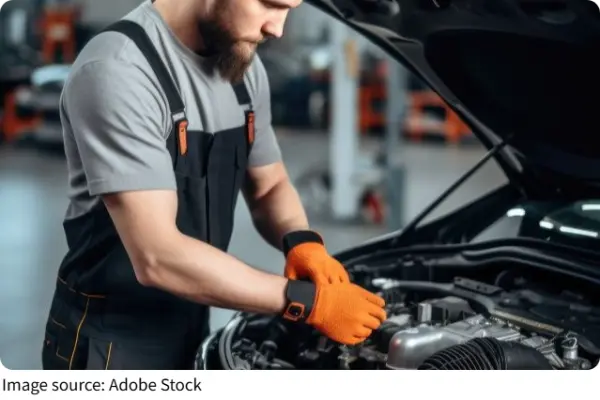
If we have a warning sign in the vehicle, placing it behind the car can remind other drivers to keep distance. We can also open the hood carefully to improve airflow around the engine area. However, we should not touch any parts right away because some components may still be very hot.
Check The Cooling System
After waiting for the engine to cool down, we can begin a simple inspection. One common reason for high temperature is a low coolant level. Coolant helps carry heat away from the engine, so the correct amount is important for normal operation.
We can check the coolant tank and see whether the level is between the marked lines. If it is lower than expected, we can add the correct type of coolant after the system has cooled. Using a suitable product for our vehicle is important because different vehicles may require different formulas.
Another possible cause is a leak. We can look around the radiator, hoses, and connection points to see if there are signs of liquid loss. If we find a problem, visiting a repair location for inspection is a safer choice.
Look For Part Problems
Sometimes the cause is hidden inside the cooling system. The thermostat is one part that controls coolant movement. If it does not work correctly, the coolant may not flow as expected, causing the temperature to rise. The cooling fan is also important. When the engine becomes hot, the fan should help remove extra heat. If it does not operate, the problem may come from a sensor or another related part.
The radiator can also affect temperature control. After long use, dust and deposits may reduce its ability to release heat. Cleaning the outside area can improve airflow, but deeper issues may need professional help. The water pump helps move coolant throughout the system. If it cannot work normally, the coolant circulation may become weak, making it difficult to control engine temperature.
Handle The Situation Carefully
While waiting for help or preparing to visit a repair location, we can take some temporary steps. If the coolant level is low and we have the correct coolant available, adding a suitable amount may help reduce the problem. We should avoid opening the coolant tank while the engine is still very hot because pressure may build inside the system. Safety should always come first.
If we need to drive a short distance, we can keep a lower speed, avoid quick acceleration, and reduce unnecessary engine load. Watching the temperature gauge during the trip is also important. If the temperature continues increasing, stopping again is the better choice.
Prevent Future Warnings
Regular maintenance helps us reduce the chance of facing high-temperature problems. We can check coolant levels regularly and observe whether the liquid looks clean and normal. If there are unusual changes, we should arrange an inspection.
Checking hoses, seals, and the radiator area can also help us discover small issues before they become bigger concerns. Replacing aging parts at the right time can improve vehicle reliability. We should also pay attention to driving conditions. Long periods of heavy engine work can create more heat, so giving the vehicle proper care after demanding trips can help maintain good performance.
Drive With Confidence
Lykkers, when the car temperature rises, staying calm and making careful decisions can help us protect our vehicle. A warning from the temperature gauge is a reminder that the engine needs attention. By stopping safely, checking the cooling system, and keeping up with regular care, we can make every journey smoother.
Have we ever experienced a high-temperature warning while driving? What steps helped us solve the problem? Sharing our experiences can help more drivers learn useful skills and become more prepared on the road.
6 Causes Your Temp Gauge Goes Up and Down - Cost & How to Fix
Video by car PROblems