Tuscan Vineyard Landscapes

Ethan Sullivan
| 28-08-2026
 · Travel Team
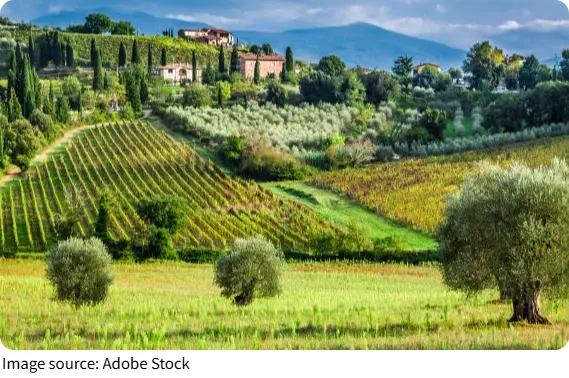
Lykkers, Tuscany, Italy, is famous for rolling vineyards, olive groves, cypress trees, stone farmhouses, and historic hill towns.
Its cultivated fields follow the natural contours of the land, creating distinctive scenery that changes with the seasons.
Bolgheri and the hills between Florence and Siena offer some of the region’s most memorable countryside views.
Tuscany, Italy
Bolgheri Cypress Road
The Viale dei Cipressi is a nearly five-kilometer avenue connecting San Guido with Bolgheri, lined by approximately 2,540 cypress trees.
Bolgheri is a small historic village with stone buildings, narrow lanes, shops, and local restaurants. Its location near the Tyrrhenian coast adds Mediterranean character to the surrounding landscape.
Chianti Hill Country
The SR222, commonly known as the Chianti Road, travels through vineyard-covered hills between Florence and Siena.
Greve in Chianti, Castellina in Chianti, and Radda in Chianti are worthwhile stops for historic architecture, village squares, local markets, and panoramic views. A full day is ideal for exploring the route at a relaxed pace.
Rural Farm Stays
Agriturismos provide a distinctive countryside accommodation experience, with options ranging from private rooms to apartments and larger rural properties.
Prices can start at approximately $100 per night, with higher rates for larger properties, premium facilities, and peak-season stays. Booking several months ahead is recommended for summer travel.
How to Get There
Train: Florence provides rail connections to major Tuscan destinations, including Siena, Pisa, Lucca, and Arezzo. Typical regional journeys cost approximately $3–$15 one way, depending on distance.
Bus: Regional buses serve towns and villages beyond the railway network. Fares start at approximately $2, while longer journeys can cost more. Florence–Siena services generally start at around $3.
Car: A rental car is the most flexible option for reaching rural villages, vineyard areas, and countryside attractions. Compact cars typically cost around $30–$80 per day, depending on season, vehicle, rental period, and insurance.
Local Food
Tuscan cuisine features seasonal vegetables, legumes, grains, bread, pasta, cheeses, herbs, and fresh produce.
A coffee and pastry costs approximately $3–$6, a casual lunch $15–$28 per person, and a mid-range dinner around $30–$50 per person. A simple market picnic can cost approximately $8–$15 per person.
Things to Do
Cycling, photography, scenic drives, and village walks are excellent ways to explore the region. Travelers can visit local markets, discover historic streets, stop at viewpoints, or follow quieter rural roads.
Best Time to Visit
Spring and autumn are particularly attractive for exploring Tuscany. Spring brings fresh greenery, while autumn adds seasonal color to the vineyards and countryside. Summer offers long daylight hours, while winter provides a quieter atmosphere.
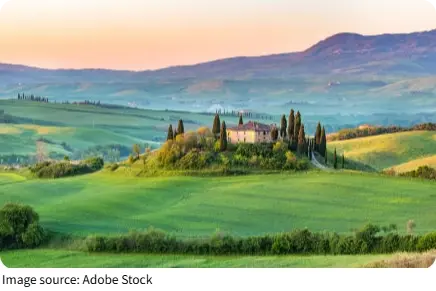
Tuscany combines agriculture, architecture, and natural scenery into one distinctive landscape. From the cypress-lined road near Bolgheri to the hills of Chianti, the region offers scenic routes, historic villages, rural stays, local cuisine, and outdoor activities for travelers seeking a relaxed countryside experience.