Wind & Solar: Save, Go Green

Naveen Kumar
| 14-09-2026
 · Information Team
Hi, Friends!
If your electricity bill keeps growing like a plant you forgot to stop watering, it might be time to let nature itself do the heavy lifting.
Wind turbines and solar panels are like the ultimate power duo, think Batman and Robin, but instead of fighting crime, they're tag-teaming your energy costs into the ground.
How Do Wind and Solar Actually Work Together?
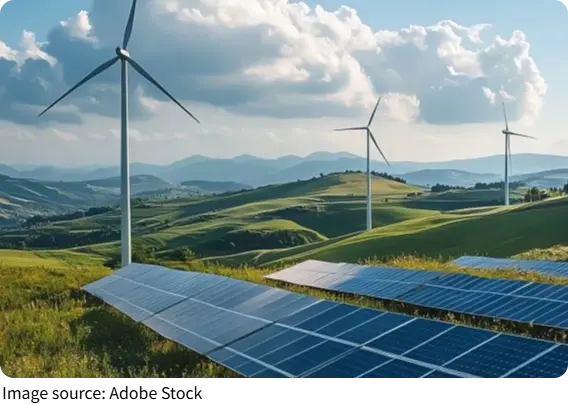
The basic idea behind a solar and wind hybrid system is simple but powerful: balance. This combination uses two sources that are not always on, and they often work best at different times, making their teamwork the main strength of a mixed system. Picture it like a relay race: solar power thrives during sunny days, while wind power can be harnessed both day and night, even in cloudy or stormy weather. So while your solar panels are soaking up sunshine during the day, your wind turbine is happily spinning away after dark. By working together, the two systems create a more balanced and reliable energy supply, help reduce dependence on the grid, and minimize the need for backup generators or large battery storage. The International Energy Agency notes that wind and solar output varies with the weather and that reliable integration relies on measures such as storage, grid capacity, dispatchable supply, and demand response. Combining the two sources can reduce variability in some locations, but it does not guarantee uninterrupted household power.
The Money Angle: What Can You Actually Save?
Here's where things get really exciting, especially for your wallet. Where local wind patterns complement solar production, hybrid systems can reduce reliance on grid electricity and make generation less variable than either source on its own. They do not provide continuous power in every weather condition. Potential savings and payback periods vary substantially with local wind and sunlight resources, electricity prices, installation costs, system design, battery use, and rules for exporting electricity to the grid. A site-specific assessment is needed before estimating either. Local incentives and rules for selling excess electricity to the grid vary by place, so homeowners should check the current programs available where they live before estimating savings.
The Environmental Win You Didn't Know You Needed
Beyond your bank account, this combo is genuinely doing the planet some solid favors. Solar and wind energy cut greenhouse gas emissions, don't burn fossil fuels, reduce air pollution, and keep water clean compared to coal or gas plants. And before anyone brings up the "but what about the energy used to make the panels and turbines" argument, those impacts pale in comparison with the emissions prevented by the displacement of fossil fuel sources. Wind and solar electricity generally have much lower life-cycle greenhouse-gas emissions than coal- or gas-fired generation, although the exact reduction depends on the technologies being compared. That is not a small number, that is basically swapping a gas-guzzling truck for a bicycle on a downhill slope.
Does This Setup Work for Every Home?
Not every house is ready to become a mini power station, and that's perfectly okay. Your geographic location plays a significant role in determining whether a hybrid system is feasible. Homes in areas with limited sunlight or low wind speeds may not benefit as much, but regions with abundant sunshine and consistent winds are ideal. Most residential wind turbines require average wind speeds of at least 10-12 mph to be effective. For city dwellers squeezed between buildings, a wind turbine is often a poor option, since suburbs and cities have a lot of obstructions like trees and buildings, which deflect and make the wind uneven. But if you have some open land or a rural property, you're sitting on a goldmine of clean energy potential. Households in suburban or rural areas, farms with open land, and small businesses with high energy usage can benefit significantly from combining solar and wind power, enjoying energy independence, long-term savings, and smaller carbon footprints.
Smart Tech Makes It Even Smarter
Here's the nerdy part that's actually pretty cool. These intelligent systems automatically switch between solar and wind power based on real-time conditions, storing excess energy in advanced batteries for use during peak demand hours. Many modern smart home energy systems can automatically switch between wind and solar power sources, ensuring you're always using the most efficient energy source available at any given time. With a steadier flow of charging from two sources, batteries may not have to drain as deeply as often, putting less stress on them and helping them last longer. It's like having a really smart energy butler who never sleeps and never asks for a raise.
Ready to stop renting energy from the power company and start generating your own? Whether you're motivated by saving money, shrinking your carbon footprint, or just the cool factor of running your home on sunshine and breeze, a wind and solar hybrid system could be one of the smartest upgrades you ever make. Start by checking your local sunlight hours and wind patterns, and remember, the planet is basically handing you free energy every single day. All you need to do is catch it!