Plants Face Evolution Trap

Santosh Jha
| 14-09-2026
 · Plant Team
Plants are constantly evolving in response to changes in their surroundings, but new research suggests that some species may be adapting in the wrong direction.
A study from the University of Michigan found that morning glories experienced a 96% decline in their rate of adaptation over just nine years, not because they lacked genetic diversity, but because competing evolutionary pressures may be limiting their ability to respond to climate change.
The findings highlight how human-driven environmental changes can create unexpected challenges for plants and ecosystems.
When survival strategies compete
As temperatures rise and weather patterns change, plants often need to adjust traits such as flowering time to survive in new conditions. However, morning glories appear to face another powerful pressure: attracting increasingly scarce pollinators.
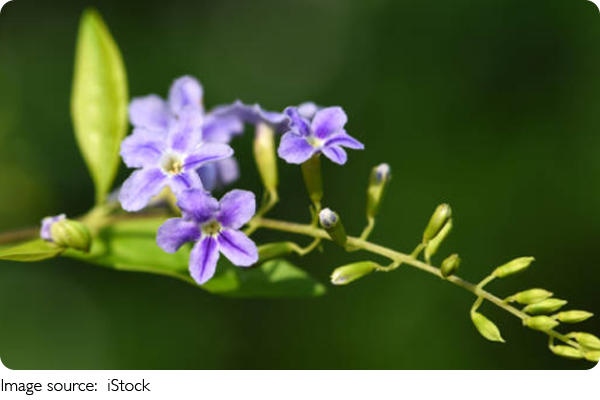
Researchers found that traits helping plants attract pollinators may interfere with traits that allow them to respond to climate changes. Larger flowers can improve the chances of attracting insects, while earlier flowering may help plants adapt to warmer temperatures and changing rainfall patterns.
Over time, these characteristics became more closely connected in morning glory populations. As a result, natural selection increasingly favoured larger flowers, potentially reducing the plants’ ability to adjust flowering patterns in response to climate pressures.
Genetic diversity was not the problem
One of the most surprising findings was that the plants still had plenty of genetic variation available for evolution.
Scientists often expect species with high genetic diversity to have a greater ability to adapt because they possess more potential traits that natural selection can act upon. However, the morning glories in this study were not limited by a lack of evolutionary “resources”.
Instead, researchers suggest that the plants became increasingly restricted by the relationship between different traits. When one characteristic influences the evolution of another, it can limit the possible directions a population can take.
The study’s results suggest that morning glories still had the ability to evolve, but environmental pressures were pushing them toward traits that may not be the most useful for coping with a changing climate.
Human impacts reshape evolution
The research was led by Sasha Bishop, a recent doctoral graduate, in collaboration with John Stinchcombe from the University of Toronto and Regina Baucom from the University of Michigan’s Department of Ecology and Evolutionary Biology.
The team studied morning glories as part of broader research into how human activity is changing the evolutionary paths of wild species.
Climate change is only one challenge facing plants. Habitat loss caused by development, intensive agriculture and widespread pesticide use have also contributed to declines in pollinator populations around the world.
Scientists have long predicted that some species could rapidly evolve in response to environmental changes. However, observations from nature increasingly show that many populations are declining or becoming genetically less diverse instead of adapting quickly enough.
Measuring evolutionary change
To understand how morning glories were changing, researchers collected seeds from wild populations at two different points in time, separated by nine years.
They grew the plants under controlled conditions and measured several characteristics linked to climate adaptation and pollinator attraction. These included the timing of the first flowering, flower size, nectar sugar levels and the distance between pollen-producing structures and the parts of the flower that receive pollen.
The researchers then calculated the plants’ adaptation rate using a statistical method called R, which considers how multiple traits influence each other rather than analysing them separately.
This approach helped reveal whether changes in one trait were limiting changes in another.
A dramatic decline in adaptation
The analysis showed that morning glory populations had experienced a major slowdown in evolutionary change.
In the earlier population, researchers estimated that adaptation occurred at around 76% of the expected rate when trait relationships were not considered. Nine years later, this figure had dropped to approximately 9%.
The researchers believe the growing connection between flower size and flowering time played an important role in this decline. Flowering timing is particularly important because it allows plants to respond to changes in temperature and rainfall.
The study suggests that declining pollinator populations may be influencing plant evolution in ways that make climate adaptation more difficult. As ecosystems continue to change, understanding these hidden evolutionary conflicts may become increasingly important for protecting biodiversity and agricultural systems.