Europe’s EV Shift

Chris Isidore
| 14-09-2026
 · Auto Team
The shift toward zero-emission transport is gaining momentum across Europe, with electric vehicles becoming a larger part of the new car market. However, a new assessment shows that progress depends on more than rising sales figures.
Battery costs, charging networks, manufacturing capacity and consumer access will determine whether Europe can fully complete its transition to electric mobility.
Electric Cars Gain Momentum
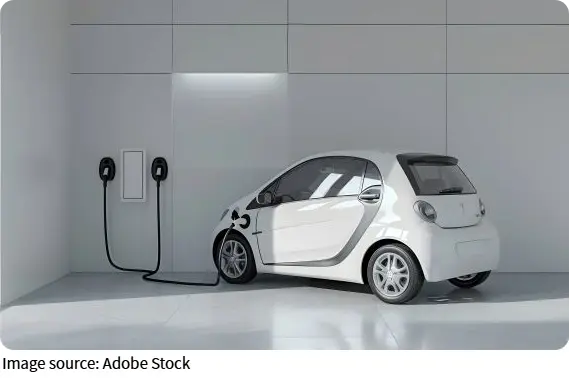
Battery electric vehicles (BEVs) are becoming increasingly common across European roads. In the first half of 2026, electric cars accounted for 22% of new passenger car registrations in the European Union, showing a significant increase in adoption compared with previous years. Electric buses and trucks are also expanding, with battery-powered buses and coaches reaching a 28% share of new registrations during the same period.
Several major European markets are leading this shift. Countries with strong charging networks, government support and higher consumer demand have seen faster adoption, while other markets are progressing more slowly.
The growth is also reflected in vehicle production. Battery electric cars represented around 19% of passenger vehicle production in the EU in 2025, indicating that manufacturers are increasingly adapting their factories and supply chains for an electric future.
Prices Are Falling, But Access Remains Uneven
One of the biggest questions surrounding electric vehicles has been affordability. While many EV models remain more expensive upfront than traditional petrol or diesel cars, costs are gradually changing.
In Germany, Europe’s largest automotive market, the number of available battery electric models increased significantly between 2020 and 2025, reaching around 160 models. The number of electric cars priced below €30,000 also increased to approximately 35 options.
At the same time, battery prices have declined, helping reduce the overall cost of electric vehicles. After adjusting for inflation and improvements in vehicle performance, BEV prices decreased by around 18% between 2020 and 2025, while global battery costs fell by approximately 35%.
Running costs are another advantage. Electric vehicles are already cheaper to operate than petrol cars, with average driving costs estimated to be around 33% lower. Lower energy and maintenance expenses are becoming an increasingly important reason for consumers to consider switching.
Charging Infrastructure Expands
Charging availability has been one of the main concerns slowing EV adoption, but Europe has made significant progress. The number of public chargers in the EU increased almost eightfold since 2020, reaching approximately 1.16 million by June 2026.
Major road networks are also becoming better prepared. High-power chargers now cover most key European transport routes, although availability remains uneven between countries.
Despite improvements, charging costs remain an issue. Public charging is generally more expensive than charging at home, creating additional challenges for drivers without private parking or access to home charging.
Future technologies such as smart charging and vehicle-to-grid systems could help reduce costs and improve energy management by allowing electric cars to interact more efficiently with the power grid.
Industry Faces Global Competition
The transition to electric vehicles is also reshaping Europe’s automotive industry. European manufacturers are investing heavily in battery technology, electric platforms and new production methods, but competition from international companies, particularly Chinese automakers, is increasing.
Battery production capacity in Europe is expanding, but factories still face challenges related to investment, production efficiency and global competition. Building a stronger local supply chain will be essential for maintaining Europe’s position in the automotive market.
The Road Ahead
Europe has made clear progress toward electric mobility, but the next stage of the transition will require solving more complex challenges. Increasing EV sales alone will not be enough without affordable vehicles, reliable charging infrastructure and a competitive industrial base.
The future of European transport will depend on how successfully governments, manufacturers and energy providers can work together to create a system where electric vehicles are accessible not only for early adopters but for everyday drivers across the continent.