Olojo Festival Begins!

Liam Reilly
| 20-09-2026
 · Travel Team
Ile-Ife, in southwestern Nigeria, is widely recognized as an important centre of Yoruba history and heritage. Among the cultural events associated with the city is the Olojo Festival, an annual celebration connected with the community’s long-standing traditions.
The festival brings together people, music, colourful clothing, artistic expression and public gatherings, creating an atmosphere that reflects the cultural identity of Ile-Ife.
A Festival Rooted in Ile-Ife
Olojo is closely associated with Ile-Ife, a city that holds an important place in Yoruba history and cultural traditions. The name Olojo is connected with the idea of a special day or period of celebration, and the festival is traditionally linked to the heritage of the ancient city.
For many participants, the event is more than a public gathering. It provides an opportunity to connect with stories, customs and community practices passed between generations.
Celebrating Cultural Identity
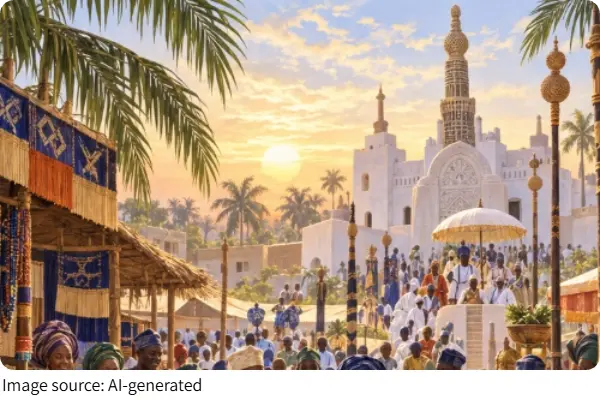
One of the most noticeable features of Olojo is the strong sense of cultural identity visible throughout the celebration. Traditional clothing, music, dancing and artistic displays contribute to an event that feels distinctly connected to Ile-Ife.
Public celebrations can also bring together residents, visitors and members of the wider Yoruba community. These gatherings create opportunities for people to share experiences and learn more about the traditions associated with the city.
The Meaning of the Dawn
The phrase "dawn of creation" is often used when discussing the cultural significance of Olojo. This idea reflects the festival's connection with creation traditions and the heritage associated with Ile-Ife.
Rather than presenting these traditions simply as historical stories, the festival allows them to remain part of a living cultural environment. Music, movement, clothing, storytelling and public ceremonies help preserve knowledge that might otherwise become less familiar to younger generations.
Music, Dance and Community Gatherings
Music and dance form an important part of many Yoruba cultural celebrations, and Olojo provides a setting where these forms of expression can be enjoyed by participants and visitors.
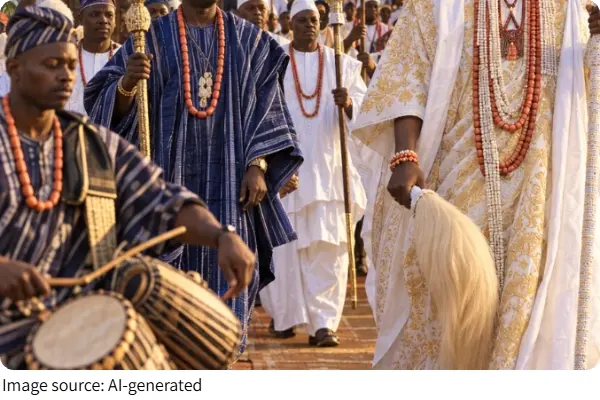
Performances create a lively public atmosphere while also carrying cultural meaning. Rhythms, movements and traditional styles can communicate stories and values without requiring long explanations. For visitors, these performances offer an accessible way to experience the character of Ile-Ife.
Preserving Heritage for Younger Generations
Cultural preservation is an important part of festivals such as Olojo. Traditions survive not only through written records but also through participation, observation and storytelling. Younger people can learn by watching performances, listening to older members of the community and taking part in public celebrations.
Ile-Ife's wider cultural importance is also reflected in academic and heritage institutions in the area. UNESCO's information on Nigeria's intangible heritage notes the role of the Institute of Cultural Studies at Obafemi Awolowo University in Ile-Ife as a centre connected with the study and preservation of cultural heritage.
Ile-Ife as a Cultural Destination
Olojo also contributes to the visibility of Ile-Ife as a destination for people interested in Nigerian history and culture. Visitors can encounter traditional arts, performances and community activities while gaining a broader understanding of the city's heritage.
Cultural tourism can provide an opportunity for communities to share their traditions while encouraging greater interest in preserving important local knowledge. At the same time, respectful participation is essential when visiting cultural events, particularly when certain activities have special significance for the community.
The Olojo Festival offers a window into the cultural heritage of Ile-Ife through music, dance, clothing, storytelling and community participation. For visitors and residents alike, the festival provides an opportunity to experience the character of Ile-Ife while appreciating the traditions that continue to shape its cultural identity.